

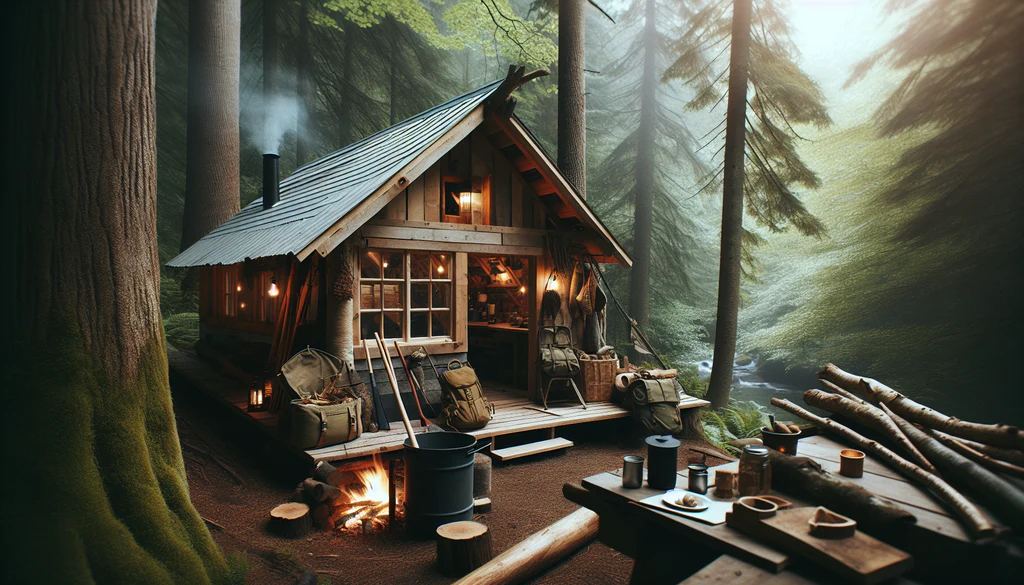
Living in an off-grid cabin is more than just a lifestyle choice—it’s a commitment to independence, simplicity, and a closer connection with nature. Whether you’re planning a weekend escape or a permanent retreat, having the right essentials can make the difference between a challenging experience and a truly rewarding one. Designing a comfortable and functional off-grid cabin requires thoughtful preparation, smart resource management, and a focus on sustainability.
Building a Reliable Power System
One of the first considerations for any off-grid cabin is how you will generate and store electricity. Solar panels are a popular choice due to their sustainability and relatively low maintenance, while wind turbines can be useful in certain regions. However, energy storage is just as important as energy generation. A portable power station can serve as a versatile and reliable backup, ensuring you have electricity during cloudy days or unexpected outages. This type of solution is especially useful for powering small appliances, charging devices, and maintaining essential lighting.
Water Supply and Filtration
Access to clean water is critical when living off-grid. Many cabin owners rely on natural sources such as wells, streams, or collected rainwater. However, untreated water can pose health risks, so a dependable filtration system is essential. Gravity-fed filters, UV purifiers, and boiling methods are commonly used to ensure water safety. Additionally, storing water in large containers helps provide a buffer during dry periods or emergencies.
Heating and Insulation
A well-insulated cabin is key to maintaining comfort throughout the year. Proper insulation helps retain heat in the winter and keeps the interior cool during the summer months. Wood-burning stoves are a traditional and effective heating solution, offering both warmth and a cozy atmosphere. In colder climates, combining insulation with thermal curtains and draft-proof windows can significantly improve energy efficiency.
Cooking and Food Storage
Preparing meals off-grid requires a bit of creativity and adaptability. Many cabins use propane stoves, wood-fired ovens, or even outdoor grills for cooking. Food storage is equally important, especially without a conventional refrigerator. Coolers, root cellars, and solar-powered fridges can help preserve perishable items. Planning meals ahead and choosing non-perishable foods can make daily life much easier.
Lighting and Daily Comfort
Lighting plays a major role in creating a welcoming cabin environment. LED lights powered by solar energy are efficient and long-lasting. Candles and lanterns can add ambiance, but they should be used with caution. Comfort also extends to personal care. Even in a remote setting, small luxuries can make a big difference. For example, having access to a hair dryer can add a touch of normalcy, especially during extended stays, helping you maintain your routine despite being far from modern conveniences.
Waste Management and Sustainability
Living off-grid means taking responsibility for your environmental impact. Composting toilets are a popular option, as they reduce water usage and create usable compost. Greywater systems can recycle water from sinks and showers for irrigation purposes. Managing waste responsibly not only protects the environment but also ensures your cabin remains a healthy place to live.
Communication and Safety
Even in a remote location, staying connected can be crucial for safety. Satellite phones, radios, or signal boosters can provide a reliable means of communication in case of emergencies. First aid kits, fire extinguishers, and basic tools should always be readily available. Preparing for unexpected situations is an essential part of off-grid living.
Creating a Balanced Lifestyle
An off-grid cabin is not just about survival—it’s about creating a space where you can relax, recharge, and enjoy life at a slower pace. Incorporating comfortable furniture, books, and even simple entertainment options can make your cabin feel like home. The goal is to strike a balance between self-sufficiency and comfort, allowing you to fully appreciate the experience.
Conclusion
Building and maintaining an off-grid cabin requires careful planning and the right tools, but the rewards are well worth the effort. From reliable energy solutions to thoughtful design, every detail contributes to a more enjoyable and sustainable lifestyle. For those looking to enhance their off-grid experience, ALLPOWERS offers innovative and dependable energy solutions designed to keep your cabin powered no matter where you are. With the right setup, your off-grid retreat can become a true sanctuary of independence and comfort.
